
What a Temporary Works Coordinator actually does to keep sites safe
Understanding the reality of temporary works on site
When you walk onto a major construction site in the UK, your eyes are naturally drawn to the rising steel frames, the glass facades, and the permanent structures that will eventually define the skyline. However, what often goes unnoticed—yet is arguably more critical for the safety of everyone involved—is the complex web of temporary structures holding everything together during the build. From sprawling scaffolding rigs and massive crane bases to the deep excavations and formwork, these are the ‘temporary works’ that make permanent construction possible. Behind the scenes of these structures sits one of the most vital roles in modern construction: the Temporary Works Coordinator. The role isn’t just about ticking boxes or filling out paperwork. It is a high-responsibility position that requires a unique blend of engineering knowledge, organisational skill, and the authority to say ‘no’ when safety is at risk. If you have ever wondered why some projects run like clockwork while others struggle with safety breaches or structural failures, the presence of a competent coordinator is often the deciding factor. They are the gatekeepers of structural integrity during the most volatile phases of a build.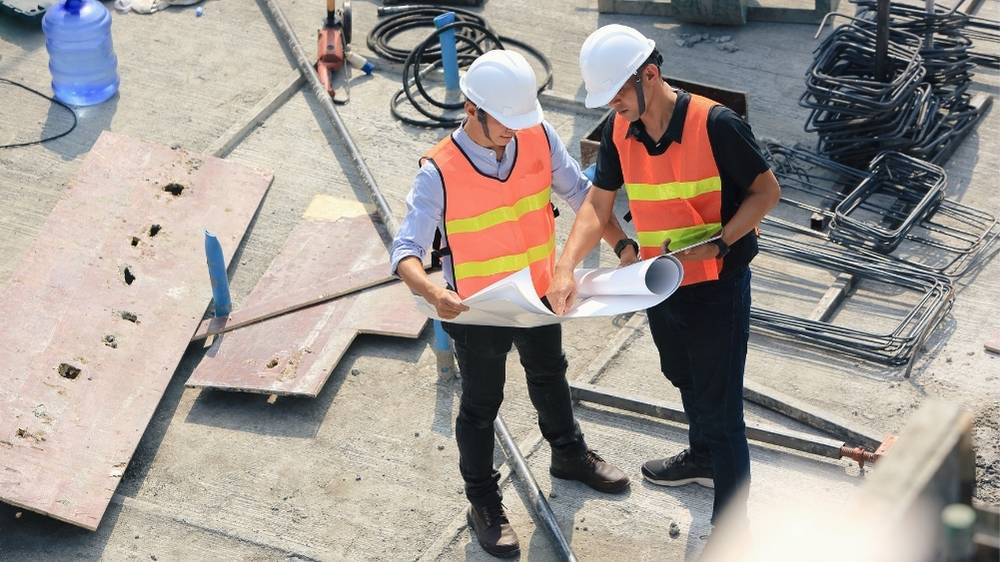
What exactly are temporary works
Before diving into the specifics of the role, it is important to clarify what we mean by temporary works. In the context of British construction standards, specifically BS 5975, temporary works are defined as parts of a construction project that are needed to enable the permanent works to be built. Once the permanent structure is self-supporting or the need for the temporary element has passed, these works are usually removed. Common examples of temporary works include:- Scaffolding and access towers.
- Formwork and falsework used to support setting concrete.
- Excavation supports and trench sheets.
- Coffer dams and caissons.
- Tower crane foundations and tie-backs.
- Temporary bridges or haul roads.
- Propping and shoring for structural alterations.
The core responsibilities of a Temporary Works Coordinator
A Temporary Works Coordinator (TWC) is the individual responsible for ensuring that a robust management system is in place for all temporary works on a site. They act as the primary point of contact between the designers, the contractors, and the site management team. Their day-to-day life involves much more than just observation; they are deeply involved in the planning and execution of every temporary structure. Some of the primary duties include:- Developing a Temporary Works Register: This is a comprehensive list of all temporary works items on a project, categorised by their complexity and risk level.
- Coordinating the Design: Ensuring that every piece of temporary work has a suitable design and that the design has been checked by a competent person.
- Supervising Installation: Making sure that what is built on-site actually matches the approved drawings and specifications.
- Issuing Permits: Managing the ‘Permit to Load’ and ‘Permit to Unload’ systems, which are critical safety hurdles that must be cleared before a structure is used.
- Managing Change: If site conditions change (such as unexpected ground conditions), the TWC must ensure the design is updated and re-approved rather than allowing ‘ad-hoc’ fixes on the fly.
Why the Permit to Load system is a lifesaver
One of the most critical tools in the TWC’s arsenal is the Permit to Load. Imagine a massive concrete pour for a first-floor slab. The weight of that wet concrete is immense, and it is supported entirely by a forest of falsework props. If those props aren’t spaced correctly, or if the ground beneath them hasn’t been properly prepared, the whole thing could collapse. The Temporary Works Coordinator ensures that nobody pours a single drop of concrete until they have personally verified that the support system is safe, checked against the design, and signed off. This formal ‘Permit to Load’ is the final safeguard. It prevents the ‘near enough is good enough’ attitude that can lead to fatal accidents. Similarly, the ‘Permit to Unload’ ensures that temporary supports aren’t removed too early, before the permanent structure is strong enough to support its own weight.The path to becoming a coordinator
You cannot simply decide to be a TWC overnight. The role requires a significant amount of site experience and a deep understanding of the BS 5975 code of practice. Most people stepping into this role come from a background in site management, civil engineering, or senior supervision. They need to have the confidence to challenge senior project managers and the technical literacy to understand complex engineering drawings. Formal training is a non-negotiable part of the process. A recognised course provides the theoretical framework needed to manage the risks effectively. It covers the legal requirements, the procedural steps for managing designs, and the practicalities of site inspections. Beyond the certificate, a successful coordinator needs to be a master communicator. They spend their time translating complex engineering requirements into clear instructions for site operatives, ensuring that everyone understands the ‘why’ behind the safety protocols.The difference between a Coordinator and a Supervisor
It is quite common for people to confuse the Temporary Works Coordinator with a Temporary Works Supervisor (TWS). While they work closely together, the scope of their roles differs. The Coordinator has the overall responsibility for the management system across the entire project. They handle the register, the designs, and the high-level coordination. The Supervisor, on the other hand, is usually more ‘hands-on’ with specific tasks. On a large site, a TWC might have several Supervisors reporting to them—one for scaffolding, one for groundworks, and another for formwork. The Supervisor assists the TWC by performing detailed inspections and ensuring that the day-to-day work follows the agreed-upon plan. However, the ultimate responsibility for signing off the permits usually remains with the Coordinator.
Navigating the challenges of the role
Being a coordinator isn’t always easy. Construction sites are high-pressure environments where ‘time is money’ is a frequent mantra. One of the biggest challenges a TWC faces is the pressure to speed up processes. When a crane is waiting and the schedule is slipping, there can be immense pressure to skip a design check or start loading a structure before the final inspection is complete. A great coordinator stands their ground. They understand that the delay caused by a proper inspection is nothing compared to the delay (and tragedy) caused by a structural failure. This requires a certain temperament—someone who is methodical, stubborn when it comes to safety, and highly organised. They must also stay updated with the latest changes in legislation and industry standards, as the ‘best practice’ of ten years ago may no longer be acceptable under current health and safety executive (HSE) guidelines. The role also demands a proactive approach to ground conditions. Many temporary works failures occur because the ground was softer than the designer assumed. A coordinator must be vigilant about checking the ‘bearing capacity’ of the soil and ensuring that ‘sole boards’ or ‘grillage’ are used correctly to spread the load. It is this attention to the small, often muddy details that prevents the large, headline-grabbing disasters. By maintaining a clear Temporary Works Register and ensuring every element is designed, checked, and installed correctly, the coordinator provides a safety net for the entire project. They ensure that the ‘temporary’ nature of the works never leads to a permanent mistake.
Lily is a chef and food blogger who focuses on plant-based dishes and sustainable cooking. She shares creative, eco-friendly recipes and tips for making flavorful, conscious meals.


